Nahargarh Fort in Jaipur: Timings, Entry Fees, and Best Time to Go
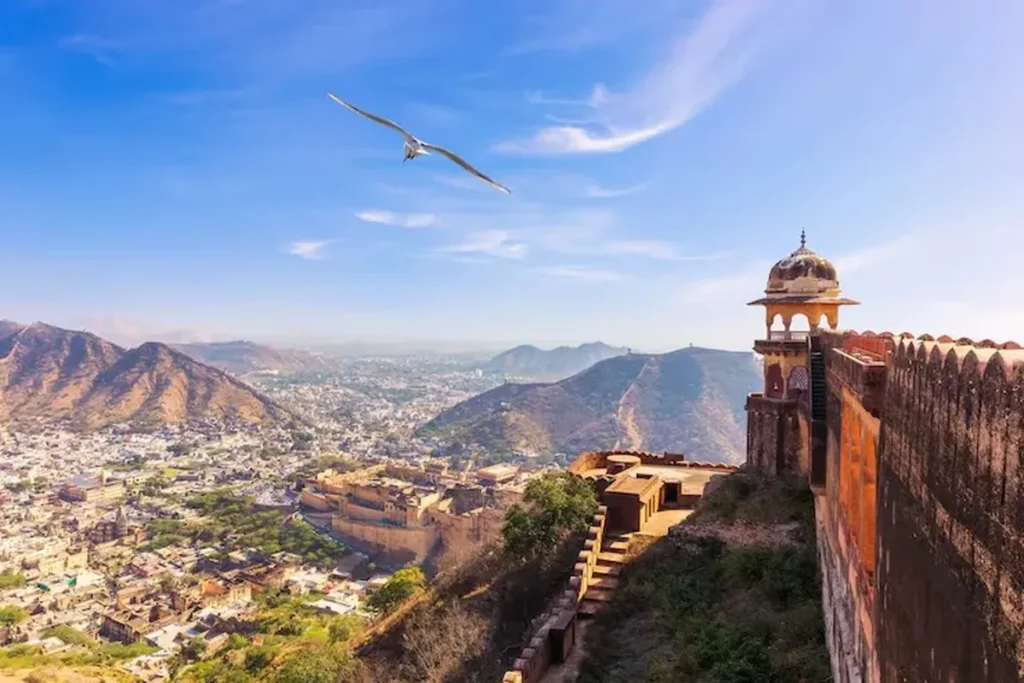
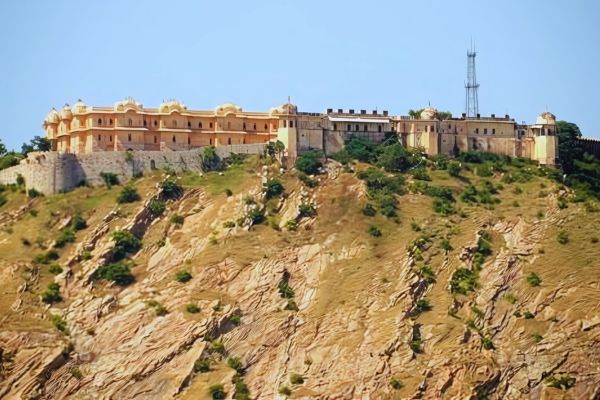
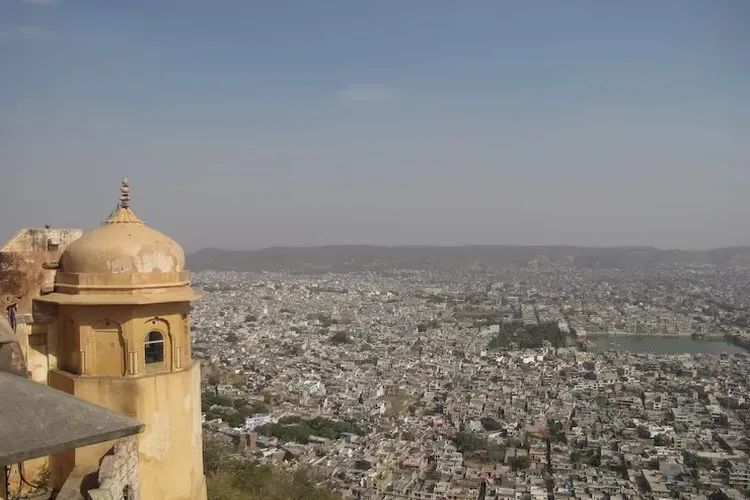
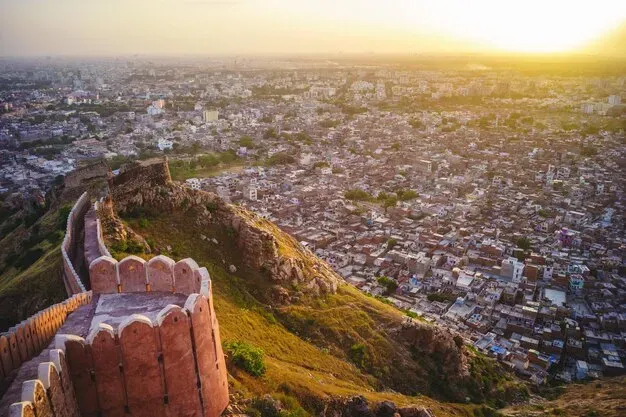
Nahargarh Fort stands tall on the Aravalli Hills, watching over the city of Jaipur below. Perched at this height, it offers some of the best sunset views in all of Rajasthan, which is exactly why so many travelers add it to their list. Built in 1734, the fort carries centuries of stories within its walls. Originally, it was called Sudershangarh, but locals began calling it Nahargarh, meaning “abode of tigers.” Legend says a restless spirit once haunted the site and blocked its construction, giving the fort its eerie reputation. Getting the details right matters if you’re planning a trip. Nahargarh Fort timings, ticket prices, and the best time to visit can make or break your experience, especially if you’re traveling from far away. Knowing the opening time, closing time, and current entry fee helps you plan your day without any last-minute confusion. Visitors often ask about the history of Nahargarh Fort too, curious about how a hilltop retreat turned into one of Jaipur’s most visited landmarks. Before diving into timings and prices, let’s look back at how this fort came to be.
History of Nahargarh Fort Jaipur
Maharaja Sawai Jai Singh built Nahargarh Fort in 1734 as a peaceful retreat high above his city. Kings during this era often chose hilltops for their forts, since the height gave them a clear view of the land below and made attacks harder to pull off. Originally, the fort carried the name Sudershangarh. Over time, though, people began calling it Nahargarh instead.
Legend explains why. Nahar Singh Bhomia, according to local belief, haunted the site with his spirit and kept blocking construction. Builders eventually built a temple in his honor to calm him down, and the fort took his name from that point forward. Quite an unusual piece of history of Nahargarh Fort in Jaipur, considering most forts get their names from kings, not restless spirits.
Together with Amber Fort and Jaigarh Fort, Nahargarh formed a three-fort shield around Jaipur. Long walls stretched across the hills, linking Nahargarh directly to Jaigarh, which once stood guard above the old capital of Amber. Despite this strong defense network, no enemy ever attacked Nahargarh directly. Instead, it played host to treaty talks with Maratha forces during battles that shook Jaipur in the 1700s.
During the 1857 uprising, King Sawai Ram Singh used the fort as a safe shelter, moving European residents there, including the British Resident’s wife. Later, in 1868, Ram Singh expanded the fort further. Between 1883 and 1892, builder Dirgh Patel added a set of palaces, spending nearly three and a half lakh rupees on the project. Each addition shaped the fort’s story, layer by layer, across more than a century.
Attractions
Madhavendra Bhawan
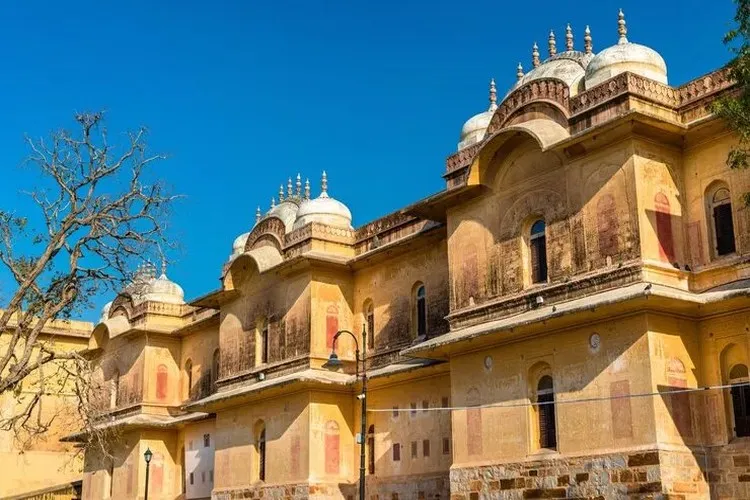
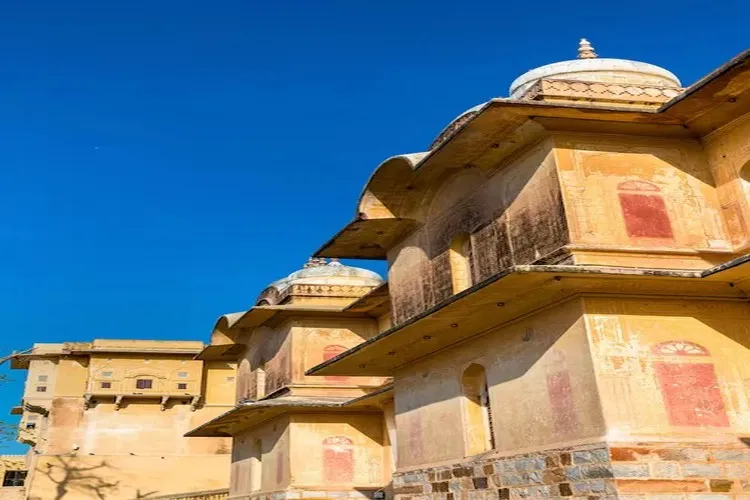
Sawai Madho Singh commissioned this palace, and it remains one of the most fascinating stops inside the fort. Queens of Jaipur each had their own private suite here, and every suite was built to equal size, avoiding any sense of favoritism among them. King Madho Singh’s own suite sat at the head of the layout, connected to the queens’ quarters through a network of corridors. Faded frescoes still decorate these hallways, giving visitors a glimpse of the artistry from centuries past.
Beyond royal living, Nahargarh Fort also worked as a hunting residence for the Maharajas, adding another layer to its story. Interestingly, this fort once played a role in daily timekeeping for the entire region. Jaipur State relied on the Samrat Yantra sundial at Jantar Mantar for official time, and a cannon fired from Nahargarh signaled that time each day, right up until 1944.
Planning ahead helps make the most of a visit. Checking Nahargarh Fort timings, along with the current ticket price, ensures a smooth trip through this historic palace and its surrounding grounds.
Step Wells and Water Reservoirs
Water security mattered a great deal to any hilltop fort, and Nahargarh planned for it wisely. Builders carved step wells directly into the ground, using stairs that led down toward the water level below. Access became simple for residents this way, since anyone could walk down and collect water without struggle. Architects also relied on materials found naturally in the region, blending practicality with a sense of design that still looks impressive today.
During the 18th century, these wells and reservoirs formed a key part of the fort’s survival strategy. Sieges and shortages posed real threats back then, so having a steady water source inside the walls reduced that risk significantly. Foresight clearly shaped this system, since the entire setup allowed the fort to stay self-sufficient for extended periods.
Exploring this part of Nahargarh Fort adds real depth to any visit. Understanding the history of Nahargarh Fort in Jaipur through details like these makes the water systems feel less like leftover structures and more like clever engineering built to last.
Cafes and Relaxation Spaces
Food adds another wonderful layer to a visit here, since cafes inside the fort serve up delicious meals with stunning views of the Pink City stretched out below. Rajasthani cuisine takes center stage, offering everything from traditional thalis to creative twists on local favorites. Tasting these dishes feels like taking a small journey through the region’s rich culture, one bite at a time.
Gardens and shaded corners wait beyond the food stalls, giving visitors calm spots to pause and take everything in. Comfortable seating areas scatter throughout these relaxation zones, making it easy to slow down and soak up the fort’s historic atmosphere without rushing. Quiet moments like these often become the most memorable part of a trip.
Timing a visit well makes all the difference, too. Checking Nahargarh Fort timings ahead of arrival, along with the opening time and closing time, helps visitors plan enough hours to enjoy both the food and the peaceful surroundings before the gates close for the evening.
Nahar Singh Ji Temple
Traditional Rajasthani style blends beautifully with Mughal influence throughout this temple, creating a look that feels both grand and welcoming. Intricate designs cover nearly every surface, while vibrant murals and detailed sculptures add layers of artistic beauty. Devotion fills the air here, yet artistic brilliance shines just as strongly, making this small temple one of the most visually striking spots inside the fort.
Panoramic views stretch out in every direction from the temple’s location. Amidst the peaceful setting of Nahargarh Fort, visitors can take in sweeping sights of the Aravalli Hills on one side and the Pink City spread out on the other. Nature and spirituality come together naturally in this spot, turning a simple visit into something far more memorable.
Standing here connects deeply with the history of Nahargarh Fort in Jaipur, since this temple ties directly to the legend behind the fort’s name. Visitors often pause longer than expected, caught up in the views and the quiet atmosphere this small structure creates.
Nahargarh Fort in Jaipur: Timings, Entry Fee, and How to Reach
Nahargarh Fort Timings: Open daily from 10:00 AM to 9:30 PM.
Entry Fee:
- Indian nationals: ₹52
- Foreign tourists: ₹600 (~US$7.10)
- Indian students: ₹22
- Foreign students: ₹50 (~59¢)
Staying past closing time isn’t a good idea. Dense forest surrounds the fort, and the area isn’t meant for visitors after dark.
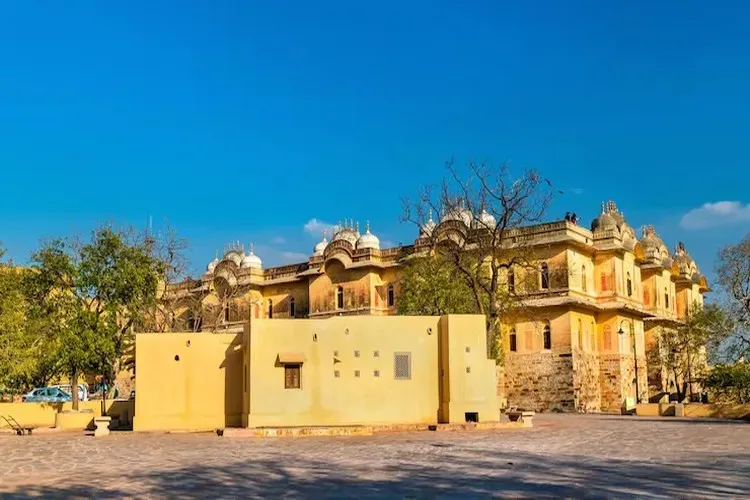
Nahargarh Fort sits in Jaipur, Rajasthan, perched at an elevation of about 213 meters (700 feet) above the city. Its hilltop location offers wide views of Jaipur below, but that same height means some planning is needed to get there. Since exact transport details aren’t confirmed here, it’s worth checking current routes, cab options, or local transport services closer to your visit date to find the best way up.
Best Time to Visit: Season, Time of Day, and Crowd Patterns
Weather plays a huge role in how much you enjoy this hilltop fort. Jaipur turns into a desert oven during peak summer, and climbing up a fort under that kind of heat drains energy fast. October through March offers a much gentler climate, with cooler air that makes walking around the palace grounds far more comfortable. Winter mornings especially feel pleasant, giving visitors the energy to actually explore instead of rushing for shade.
Time of day matters just as much as season. Early morning visits, right around opening time, tend to bring smaller crowds and softer light for photos. Fewer tour groups arrive that early, so wandering through courtyards feels calmer and less rushed. Sunset hours, on the other hand, attract bigger crowds, since everyone wants that golden view over the Pink City. Both times have their charm, but mornings win for peace and quiet, while evenings win for atmosphere and color in the sky.
Weekdays generally stay quieter than weekends too, since local families and tour groups often plan fort visits around Saturdays and Sundays. Planning around Nahargarh Fort timings ahead of a trip helps avoid the busiest rush hours, especially during winter’s high season when everyone else has the same idea about mild weather.
For the best mix of comfort and calm, aim for a winter weekday morning, and save the sunset crowd experience for a separate trip if time allows.
Nahargarh Fort in Jaipur: Worth the Climb
Few places let you stand above an entire city and feel its history all at once. Nahargarh Fort offers exactly that, blending old palace walls with sweeping views most travelers never forget. Legends, royal quarters, and quiet temple corners all sit within reach of a single visit, making every hour spent here feel worthwhile.
Planning matters, though. Winter months, from October through March, bring cooler weather that makes exploring the fort far more enjoyable than a scorching summer afternoon would. Carry water, wear comfortable shoes, and give yourself enough time before closing to soak in the views without rushing.
Jaipur has plenty of forts, but few reward patience and good timing quite like this one does.
What is Nahargarh Fort famous for?
Sitting high on the Aravalli Hills, Nahargarh Fort is known for its sweeping views over Jaipur and its unusual name origin. Legend says a spirit named Nahar Singh Bhomia haunted the site during construction, and a temple was built to calm him, giving the fort its lasting name. It also once served as a royal retreat and hunting residence for the Maharajas.
Who built Nahargarh Fort and when?
Maharaja Sawai Jai Singh built the fort mainly in 1734, using it as a peaceful retreat above the city. It was originally named Sudershangarh before later becoming known as Nahargarh.
What are Nahargarh Fort timings?
The fort opens at 10:00 AM and closes at 9:30 PM daily. Visitors shouldn’t plan to stay past closing time, since dense forest surrounds the area once the sun goes down.
What is the entry fee for Nahargarh Fort?
Indian nationals pay ₹52, while foreign tourists pay ₹600 (around US$7.10). Indian students get a discounted rate of ₹22, and foreign students pay ₹50.
How do I reach Nahargarh Fort?
Exact transport routes aren’t something we can confirm here, so it’s worth checking current cab, bus, or private transport options closer to your travel date. The fort sits in Jaipur, Rajasthan, at an elevation of about 213 meters (700 feet).
Is Nahargarh Fort worth visiting?
For anyone interested in history, legend, and city views, yes, it holds real value. Between the Madhavendra Bhawan’s royal suites, the frescoed corridors, and the story behind its name, there’s more here than just old walls.
Was Nahargarh Fort ever attacked?
No direct attack ever hit the fort throughout its history. It did, however, play a role in real events, including treaty talks with Maratha forces and sheltering Europeans during the 1857 uprising.
What movies were filmed at Nahargarh Fort?
Parts of Rang De Basanti, Shuddh Desi Romance, and Sonar Kella were shot on location here. The dramatic hilltop setting makes it a popular backdrop for filmmakers.